HighI Geo-Economics & Chokepoints10 September 2026, Thursday
QatarEnergy negotiates multi-year LNG purchase deals running to 2031 with US producers to offset capacity lost in Iranian attacks
Damage to two trains at Ras Laffan has taken 12.8 million tonnes a year of capacity offline for 3–5 years. Qatar is seeking 2–3 million tonnes a year of US LNG.
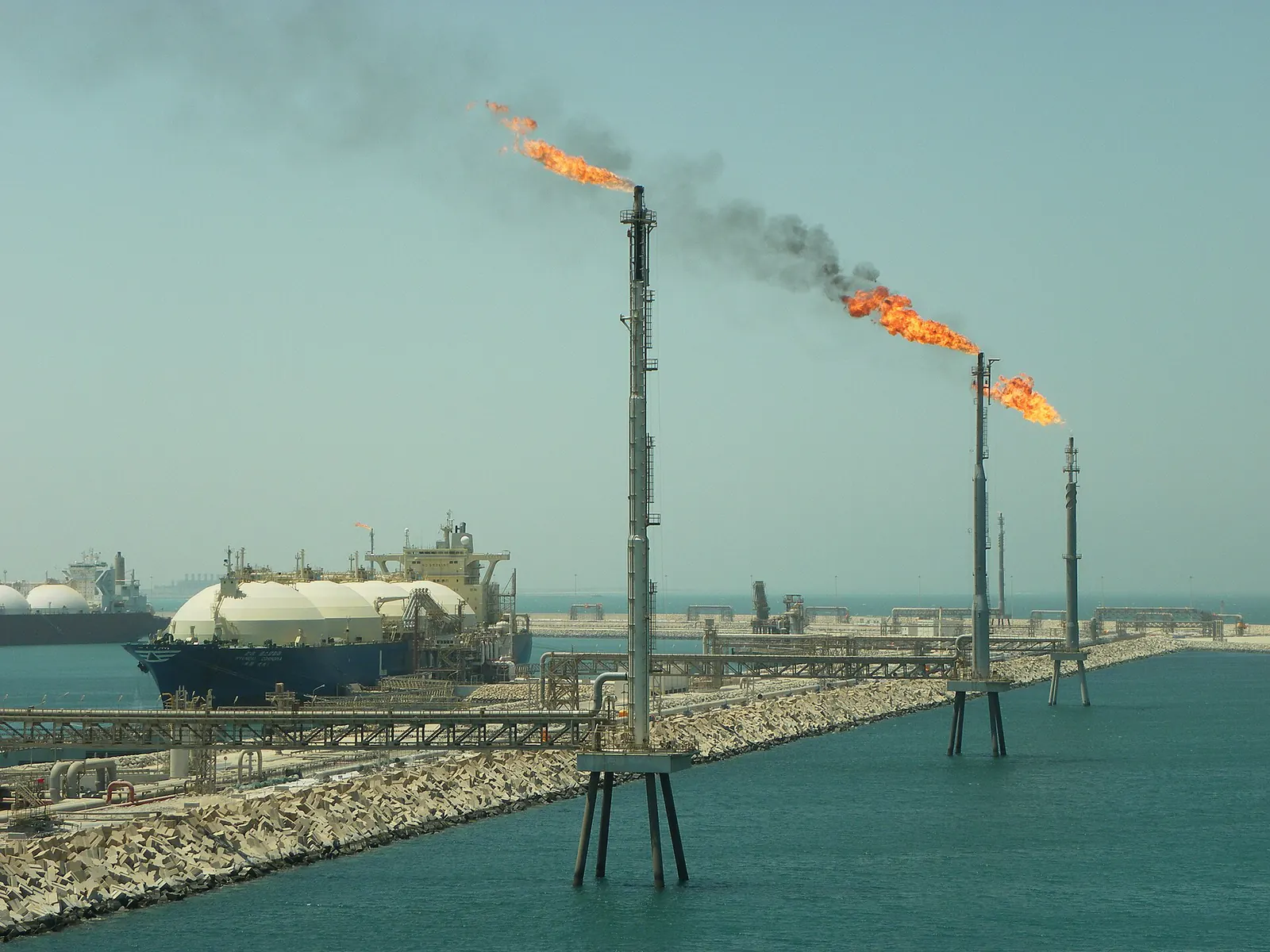
According to reports by Bloomberg on 10 September and Reuters on 11 September, QatarEnergy's trading arm is working on contracts running to 2031 to buy 2–3 million tonnes of LNG a year from US producers. The companies in talks include Venture Global, Cheniere and Woodside. In the Iranian attacks in March, two of the 14 export trains at Ras Laffan and a gas-to-liquids (GTL) plant were damaged. An annual 12.8 million tonnes, equivalent to about 17% of Qatar's LNG capacity, went offline. Repairs are estimated to take 3–5 years, and force majeure notices have been extended to November.
One of the world's largest LNG exporters turning buyer shows that the market is pricing in years of disruption in the Strait of Hormuz. According to The National, 36 million tonnes of supply from Qatar and the UAE has failed to reach the market since the start of the year. LNG prices have risen by 150% in Asia and by 100% in Europe. Asian buyers, who take about 80% of Qatar's exports, are looking for alternative suppliers. This picture strengthens the bargaining power of US LNG projects while also pushing up long-term contract costs for importing countries, including Türkiye.
Talay assessment
Bottom line
Qatar, one of the world's largest LNG exporters, turning buyer is an admission that the Ras Laffan loss is structural rather than temporary. With repairs expected to take 3–5 years, multi-year contracts with US producers are highly likely. This means the LNG market will stay tight until the end of the decade; the depth of price pressure will depend on the duration of the Hormuz disruption.
Likely effects
- Global LNG pricesNegative6 months+
A 12.8 million tonne annual loss persisting for years, plus Qatar seeking extra volumes from the market, tightens supply further and entrenches upward pressure on already elevated prices in Asia and Europe.
- Türkiye's energy billNegative1–6 months
Importers' term LNG contract costs are rising; pricier terms in agreements Türkiye renews or signs would add to the energy bill and weigh on the current account.
- US LNG exportsPositive6 months+
A player the size of Qatar becoming a multi-year buyer strengthens US producers' bargaining power and the commercial footing of new capacity projects.
Possibilities, ranked
- 1Multi-year US contracts signed70%
QatarEnergy concludes purchase agreements with US producers for 2–3 million tonnes a year running to 2031 and uses those volumes to meet its own customer commitments.
Watch: An official announcement of a deal running to 2031 between QatarEnergy and a US producer.
- 2Talks drag on, force majeure extended25%
Agreement on price and tenor is delayed; Qatar extends force majeure on customer deliveries and Asian buyers turn to their own alternatives.
Watch: Force majeure notices due to expire in November being extended again, with no contract announcement.
- 3Faster repairs reduce the need5%
The damaged Ras Laffan trains return earlier than expected and Qatar's need for external purchases shrinks.
Watch: A QatarEnergy statement that repairs will take less than 3 years.
Probabilities are calibrated judgement based on the sources, not measurement, and are revised as new information arrives. Not investment advice.