HighIII Kinetic Conflicts & Defence10 September 2026, Thursday
Houthis seize the port of Mocha and the Perim and Hanish islands in the Bab el-Mandeb
The coast and islands of the second major maritime chokepoint have come under the control of the Iran-backed armed group; about 46,000 people have been displaced.
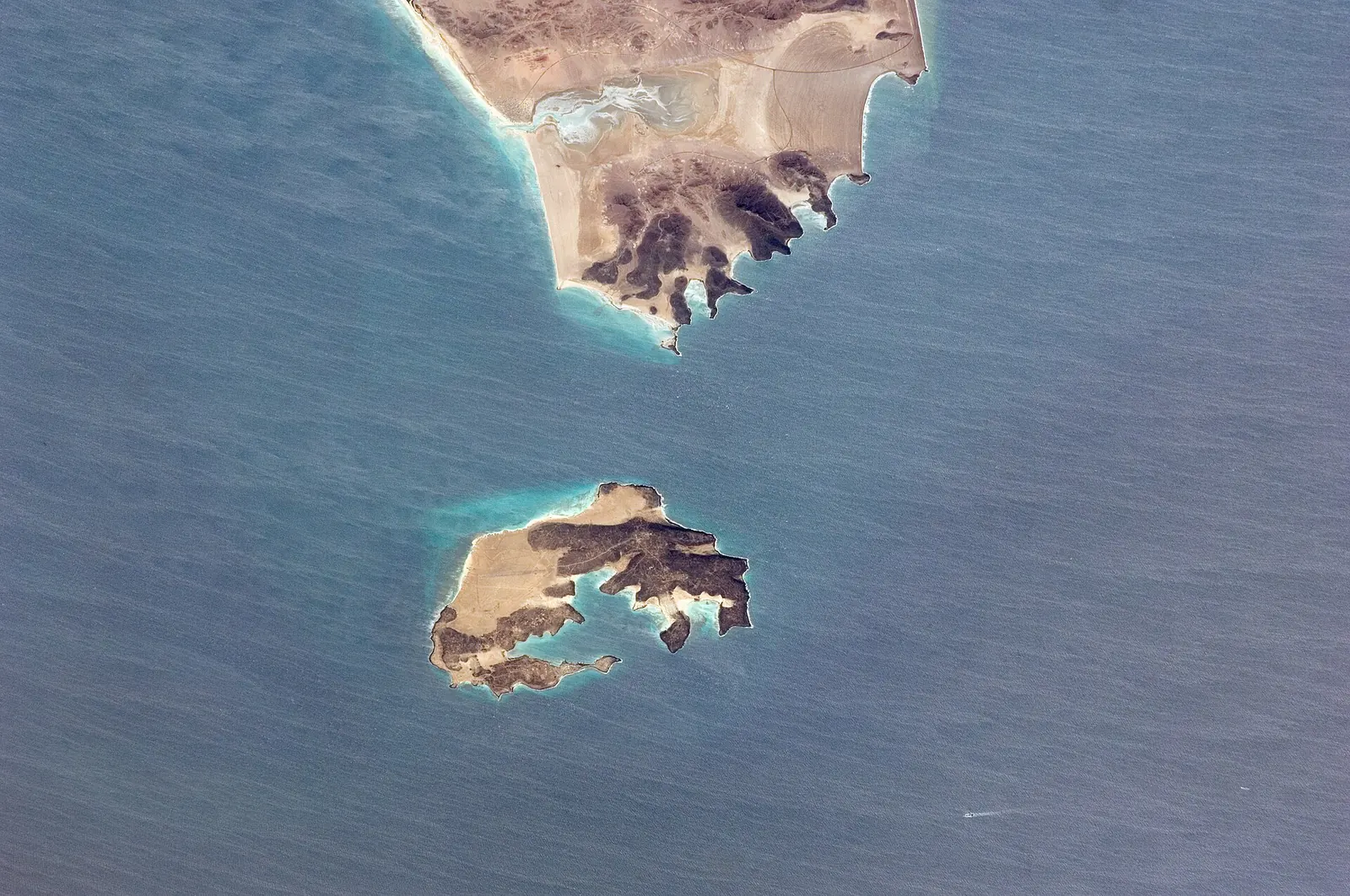
According to PBS and Polis Analysis, on 10 September the Houthis seized the port of Mocha on Yemen's Red Sea coast and the islands of Perim (Mayyun) and Hanish in the Bab el-Mandeb Strait; National Resistance forces in the area withdrew. About 46,000 people are reported to have been displaced. Saudi Arabia struck Mocha airport the following day. Early compilations had given the date as 11–12 September; the sources date the event to 10 September.
The Houthis announced that maritime traffic other than Saudi vessels is safe. The 28-kilometre-wide strait is the southern gateway of the Red Sea route to which Saudi exports shifted after the closure of Hormuz. Unlike the risk of attack, territorial control cannot easily be reversed through bargaining, so a lasting risk premium is expected to build into insurance and freight costs on the Red Sea route.
Talay assessment
Bottom line
The Houthis' capture of Mocha port and the Mayun and Hanish islands turns the risk at Bab el-Mandeb from a threat of attacks into lasting territorial control. With Hormuz closed, the southern gate of the Red Sea route that Saudi exports now depend on is in the hands of an Iran-backed group; the Houthis singling out only Saudi ships gives them a selective pressure tool. The most likely course is for control to become entrenched, with a lasting risk premium on Red Sea insurance and freight costs.
Likely effects
- Saudi oil exportsNegativeWeeks
With the southern gate of the Red Sea route, the main outlet after Hormuz's closure, under Houthi control, Saudi tankers face a direct threat and global oil supply carries additional risk.
- Red Sea and Suez tradeNegative1–6 months
Because territorial control cannot easily be reversed through bargaining, a lasting risk premium is forming in insurance and freight costs; Asia–Europe container and energy shipping becomes more expensive.
- Türkiye trade costsNegative1–6 months
Risk becoming entrenched at Bab el-Mandeb after Hormuz raises freight and insurance costs for Türkiye, which imports intermediate goods from Asia and energy from the Gulf, putting pressure on inflation and the current account.
- Yemen humanitarian situationNegativeWeeks
The displacement of about 46,000 people and Saudi Arabia's strike on Mocha airport increase the risk of civilians being caught in the conflict zone along the coast.
Possibilities, ranked
- 1Lasting Houthi control and selective threat60%
The Houthis hold the area and threaten Saudi-linked vessels; other traffic continues but the Red Sea risk premium stays high.
Watch: Continued Houthi presence on Mayun and Hanish, Saudi tanker routing choices and Bab el-Mandeb transit counts
- 2Military escalation in the strait30%
Saudi Arabia and its allies counter-attack and the Houthis retaliate by targeting commercial ships; transits fall markedly and oil and freight prices rise sharply.
Watch: New air strikes on Mocha and the islands, reports of attacks on merchant ships and maritime security advisories
- 3Recapture or negotiated withdrawal10%
National Resistance forces retake the area or the Houthis withdraw from the coast through mediation; the risk premium partly recedes.
Watch: Verified reports of control changing hands in Mocha or a withdrawal understanding with the Houthis
Probabilities are calibrated judgement based on the sources, not measurement, and are revised as new information arrives. Not investment advice.
Market reaction
Indicators affected
- Bab el-Mandeb transits▼ risk rising
Historical context