HighI Geo-Economics & Chokepoints17 September 2026, Thursday
US House passed the Russia sanctions bill by 262 to 159 and India responded to the threat of 100% tariffs
The US House of Representatives passed the sanctions bill targeting Russia and Iran by 262 votes to 159 on 16 September 2026. India's Ministry of External Affairs said on 17 September that it would take the steps necessary to protect its trade and economic interests.
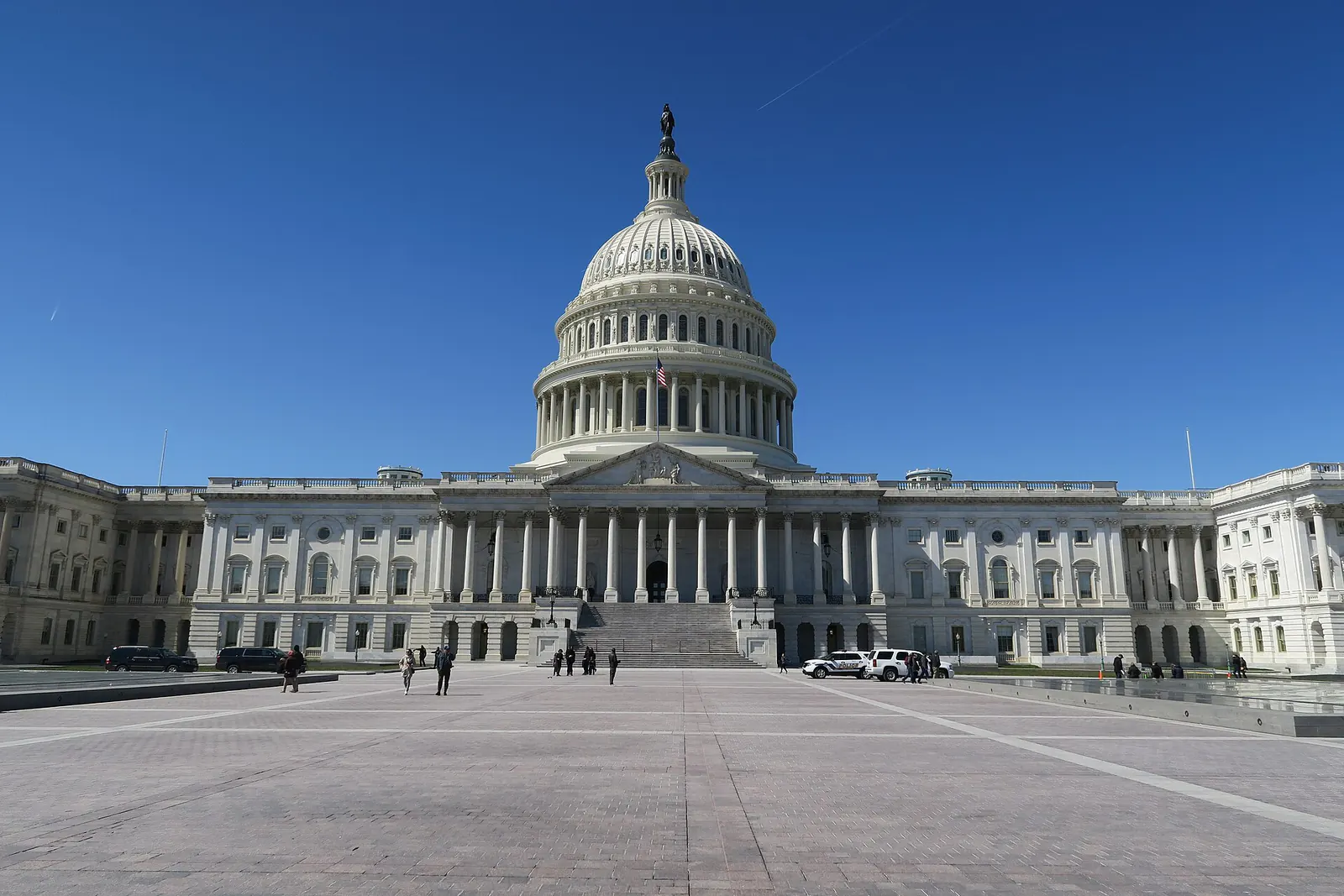
The bill entitled the 'Lindsey O. Graham Sanctioning Russia and Iran Act of 2026', voted on in the House of Representatives on Wednesday evening, was passed by 262 votes to 159 and sent to President Trump for signature. The Senate had approved the bill by 86 votes to 11 on 7 August 2026. The act gives authority to sanction Russia's political leadership, its energy sector and the 'shadow fleet' vessels used to evade sanctions, and allows tariffs of up to 100% to be applied to countries buying Russian oil and natural gas. India and China are among the targets named explicitly in the text.
In a statement on Thursday, India's Ministry of External Affairs said the matter had been discussed at senior level with various US counterparts in recent months and that the possible consequences, not only for bilateral relations but also for the international energy market, had been set out clearly. The ministry said the country was determined to secure the energy security of its 1.4 billion people and would take the steps necessary to protect its trade and economic interests; it added that the government would work closely with Indian trade and industry bodies.
The ministry did not say what concrete measures would be taken; none of the options such as retaliatory tariffs, a change in import sources or payment channel arrangements was formally raised. Reports sourced to PTI said the statement was issued through the External Affairs spokesman Randhir Jaiswal; that attribution does not appear in The Week's report and could not be independently verified. Whether the act has been signed by the President had not been confirmed as of the hour this record was written.
Talay assessment
Bottom line
The bill passing both chambers by wide majorities has turned the tariff threat against buyers of Russian energy into the settled will of Congress; the tallies of 262-159 and 86-11 show this is not a temporary bargaining chip. India's response combines the language of resolve with an absence of concrete measures, meaning New Delhi is leaving the timing to the implementation stage. The most likely path is not the declaration of a tariff but a quiet adjustment by India of its purchases of Russian crude.
Likely effects
- Indian refining marginsNegative1–6 months
The risk of tariffs of up to 100% clouds the cost advantage of discounted Russian crude; if refiners turn to alternative sources, input costs will rise.
- Global oil flowsNegative1–6 months
Because India and China are targeted at the same time, a redirection of Russian crude could create price and freight pressure in the international energy market.
- Türkiye's energy and tradeNegative1–6 months
If secondary tariffs on buyers of Russian energy set a precedent, a channel of commercial risk opens for Türkiye too, given its similar flows.
Possibilities, ranked
- 1Bargaining without tariffs being applied50%
The act is signed but the 100% tariff is not applied in practice; India prevents the authority from being used by reducing its purchases.
Watch: India's monthly Russian crude import volumes and the timetable for US-India trade talks
- 2Partial tariffs are applied30%
Tariffs come into force in selected sectors, India announces counter-measures and bilateral trade becomes strained.
Watch: Publication of a tariff list by US presidential executive order
- 3India responds forcefully20%
New Delhi declares counter-tariffs or import restrictions and trade negotiations halt.
Watch: A formal notification of counter-measures from India's Ministry of Commerce
Probabilities are calibrated judgement based on the sources, not measurement, and are revised as new information arrives. Not investment advice.
Market reaction
Indicators affected
- Possible US tariff▼ up to 100%
- House of Representatives vote▼ 262-159
- Senate vote▼ 86-11