HighI Geo-Economics & Chokepoints17 September 2026, Thursday
Gulf crisis hits South Asia: Asian spot LNG at 30 dollars per mmBtu, 78% of Bangladeshi factories halt output
According to reports published on 17 September 2026, the LNG shortfall caused by Hormuz and the Red Sea has led to power cuts and factory closures in Bangladesh; the Asian spot LNG price has risen to about 30 dollars per mmBtu.
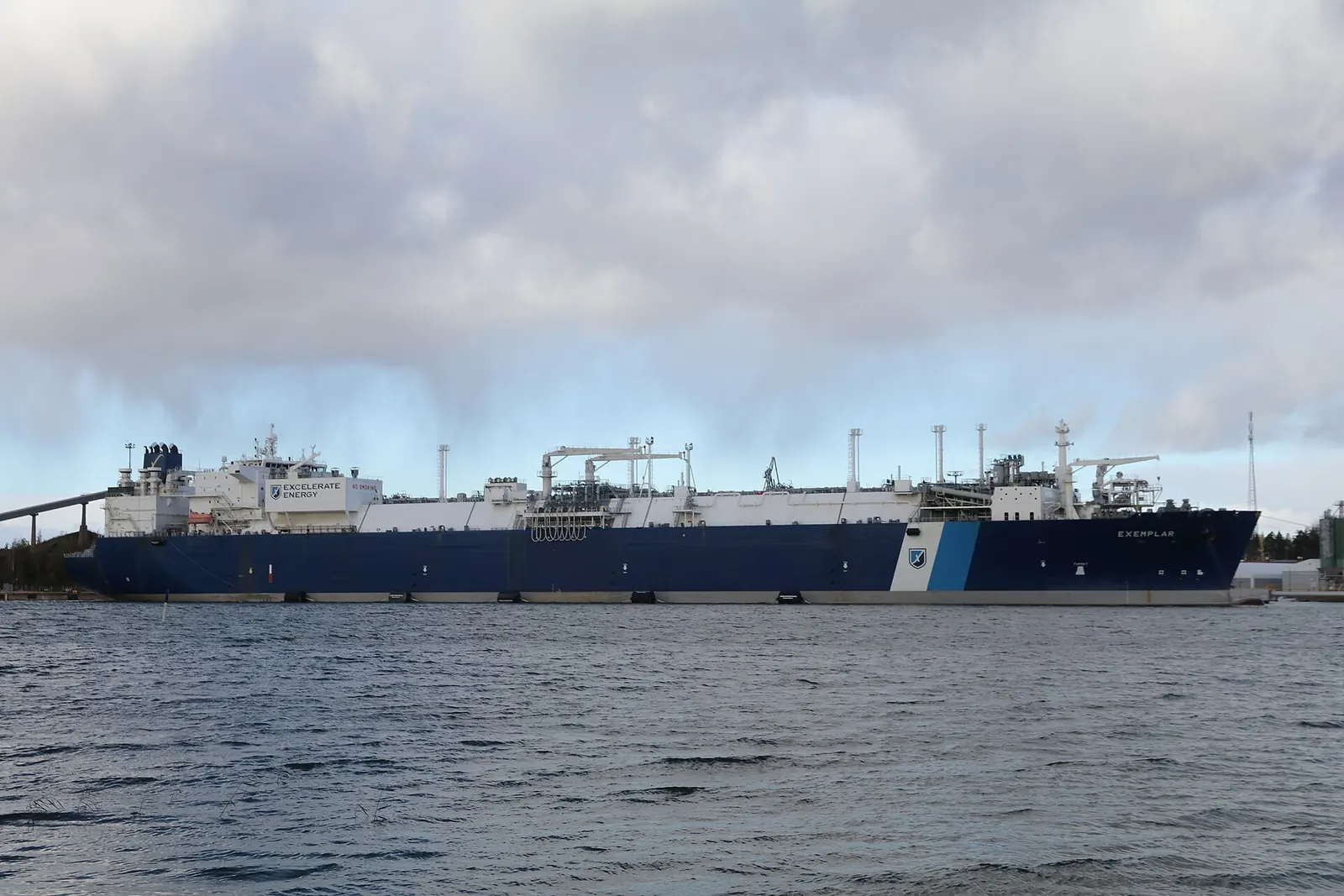
Bangladesh generates more than 40% of its electricity from imported LNG, and Qatar used to supply 95% of those imports. Disruption to Qatari shipments has pushed Dhaka into chasing more expensive spot cargoes. The Asian spot LNG price rose to about 30 dollars per mmBtu this week; before the conflict the floor was around 10 dollars, and this is the second price spike of the year. Shell estimates that about 36 million tonnes of LNG supply from the Middle East was lost in 2026. Energy Minister Iqbal Hasan Mahmud said industrial output had slowed.
The damage on the industrial side has been measured: according to the BKMEA survey of the knitwear industry, 55% of factories reported that buyers had cancelled or reduced orders since the end of August, while 78% reported partially halting production. At one factory an order for 50,000 units was cut to 40,000; to meet the delivery date, a single shipment incurred 50,000 dollars in air freight costs. On poultry farms, losses of 15-20 birds per farm per day were reported because of interruptions to refrigeration.
On the Pakistani side, fuel prices have risen to about 391 rupees a litre (1.41 dollars) for petrol and 421 rupees (1.52 dollars) for diesel. The government announced a subsidy of 100 rupees a litre for motorcycles, three-wheelers and small vehicles; austerity measures were introduced, including closing markets at 21.00 and cutting official vehicle fuel allocations by 50% for three months. The electricity sector needs up to 400 million cubic feet of gas a day through the winter; only two LNG cargoes have been confirmed for September, and a standard cargo (about 140,000 cubic metres, 3 billion cubic feet) amounts to roughly a week's supply.
Talay assessment
Bottom line
The supply loss stemming from Hormuz and the Red Sea has passed straight through to industrial output in South Asia's LNG-based power systems: the spot price rising from 10 to 30 dollars per mmBtu effectively prices buyers with narrow fiscal space out of the market. With 78% of Bangladesh's knitwear industry partially halting production, the crisis is also hitting the export channel that earns foreign currency. Unless prices fall back, balance-of-payments pressure will increase through the winter for both Dhaka and Islamabad.
Likely effects
- Garment supply chainNegative1–6 months
Order cancellations at 55% of Bangladeshi knitwear factories may lead buyers to shift orders to other countries; lost market share is an effect that is hard to win back.
- Türkiye's textile exportsPositive1–6 months
Bangladesh's production losses and air freight costs of 50,000 dollars create the possibility of orders shifting to Turkish textiles, which have an advantage in rapid delivery.
- Pakistan's public financesNegativeWeeks
The fuel subsidy of 100 rupees a litre and the low number of LNG cargoes risk conflicting with the fiscal targets in the IMF programme.
Possibilities, ranked
- 1Disruption persists through the winter55%
The spot price stays high, Bangladesh and Pakistan cannot secure enough cargoes, and power and gas cuts continue.
Watch: The number of LNG cargoes confirmed for Pakistan for October-December and the Asian spot LNG price
- 2Prices fall back and supply normalises25%
Middle East shipments partly recover, the spot price moves back towards a floor of 10 dollars and industrial output picks up.
Watch: Qatari cargoes flowing regularly to Bangladesh again
- 3The industrial crisis deepens20%
Order cancellations become widespread and a measurable contraction is seen in Bangladesh's export earnings and employment.
Watch: A new BKMEA survey and Bangladesh's monthly garment export data
Probabilities are calibrated judgement based on the sources, not measurement, and are revised as new information arrives. Not investment advice.
Market reaction
Indicators affected
- Asian spot LNG▼ $30/mmBtu
- Factories partly halting output▼ 78%
- Middle East LNG supply lost▼ 36 million tonnes
- Pakistan petrol price▼ 391 rupees/litre