HighIV Macro Policy & Sovereign Debt15 September 2026, Tuesday · 05:00 TRT (UTC+3)
China's exports rise 25% in August while retail sales slow to 0.4%
Despite a record trade surplus, domestic demand is weak; fixed asset investment contracted by 7.2% in the first eight months.
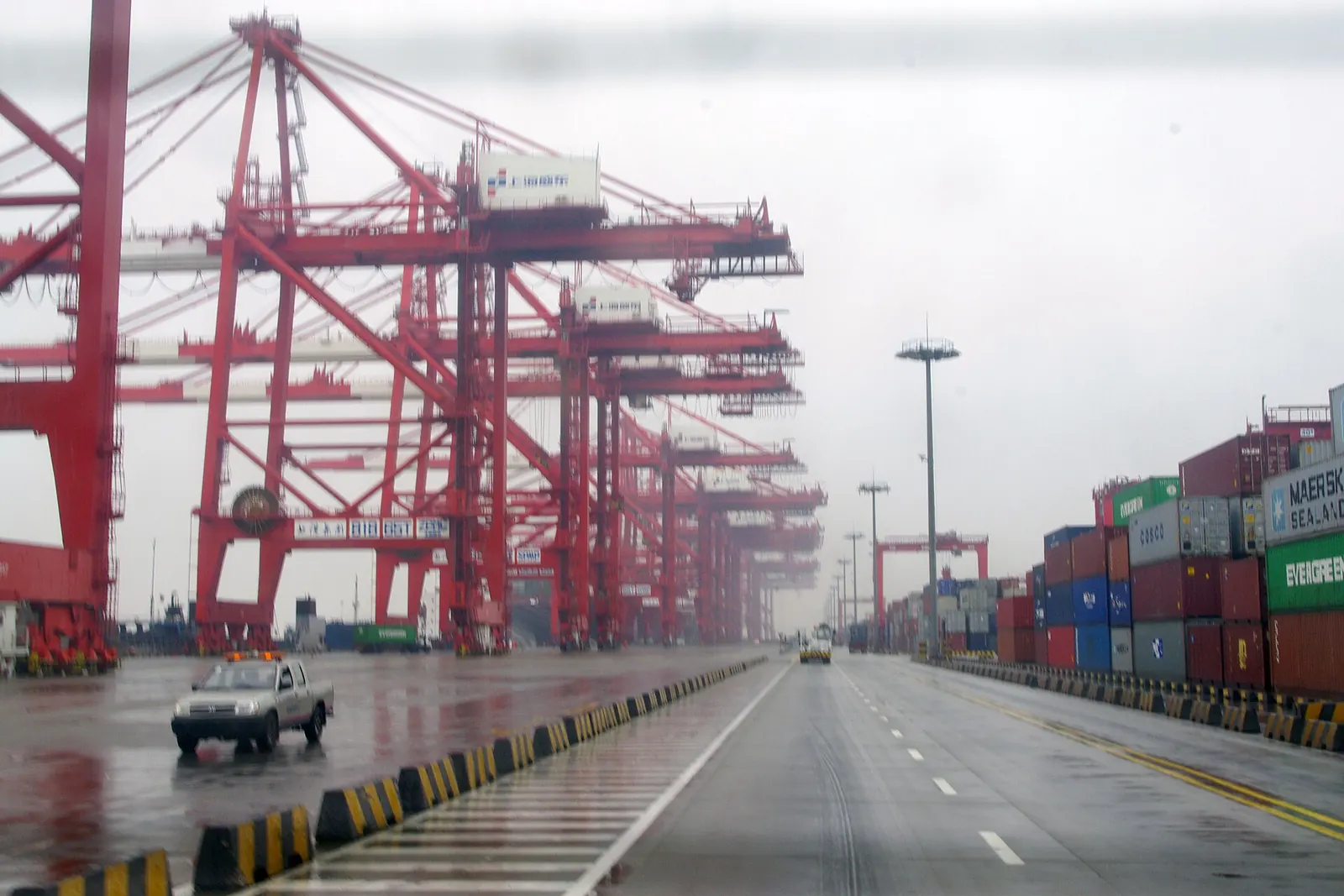
According to data released by China's National Bureau of Statistics on 15 September, retail sales rose 0.4% year on year in August, below expectations, industrial output grew 5.2%, and fixed asset investment fell 7.2% in January–August. According to trade data released on 8 September, exports rose 25% and the monthly trade surplus climbed to 119.1 billion dollars; semiconductor exports rose 129.8%.
According to Euronews, the statistics bureau acknowledged that the imbalance of strong supply and weak demand had become more pronounced, and the Finance Ministry is spearheading a 360 billion yuan capital injection into state banks and insurers; this figure rests on a single source. Producer prices rising 3.8% in August indicate that China has begun exporting price pressure rather than deflation to the world. The yuan stands at 6.71 against the dollar.
Talay assessment
Bottom line
The August data confirm China as a two-speed economy: exports rose 25% and the monthly surplus reached 119.1 billion dollars, while retail sales grew just 0.4% and investment contracted 7.2% in the first eight months. The supply-demand imbalance, acknowledged by the statistics bureau, increases growth's dependence on external demand. The most likely path is a continued export-led model with incremental support rather than a large domestic demand package, amplifying friction with trading partners.
Likely effects
- Global trade tensionsNegative1–6 months
A record monthly trade surplus and a 129.8% rise in semiconductor exports strengthen protectionist reactions among trading partners, increasing the risk of more anti-dumping and tariff measures.
- Global price pressureNegative1–6 months
Producer prices rising 3.8% indicate China has begun exporting price pressure rather than deflation, making it harder for goods inflation to fall in importing countries.
- Turkish industry and tradeNegative1–6 months
Strong Chinese exports intensify competitive pressure on Turkish manufacturers at home and in third markets, while rising Chinese producer prices may also raise Türkiye's cost of importing intermediate goods.
- Commodity demandUncertain1–6 months
The contraction in fixed-asset investment weakens metals demand tied to construction and infrastructure, limiting upside for non-energy commodity prices.
Possibilities, ranked
- 1Strong exports, weak demand, incremental support65%
Exports stay high while retail and investment remain weak; the government provides incremental support through bank capital and limited stimulus.
Watch: September retail sales and fixed-asset investment data and new fiscal support announcements
- 2Exports slowed by trade measures20%
Protectionist steps by trading partners break export momentum; with domestic demand also weak, growth slows markedly.
Watch: New tariff or anti-dumping decisions on Chinese goods by major partners and a sharp fall in export growth
- 3Large-scale domestic demand stimulus15%
As domestic weakness deepens, Beijing announces a comprehensive package aimed at household consumption; retail sales begin to recover.
Watch: Announcement of a large fiscal package targeting household consumption
Probabilities are calibrated judgement based on the sources, not measurement, and are revised as new information arrives. Not investment advice.