HighI Geo-Economics & Chokepoints17 September 2026, Thursday
Sweden's opposition bloc took 176 of the 349 seats and Prime Minister Kristersson resigned
The final results of the 13 September election showed a gap of about 50,000 votes between the two blocs; the Sweden Democrats lost ground for the first time since 2010.
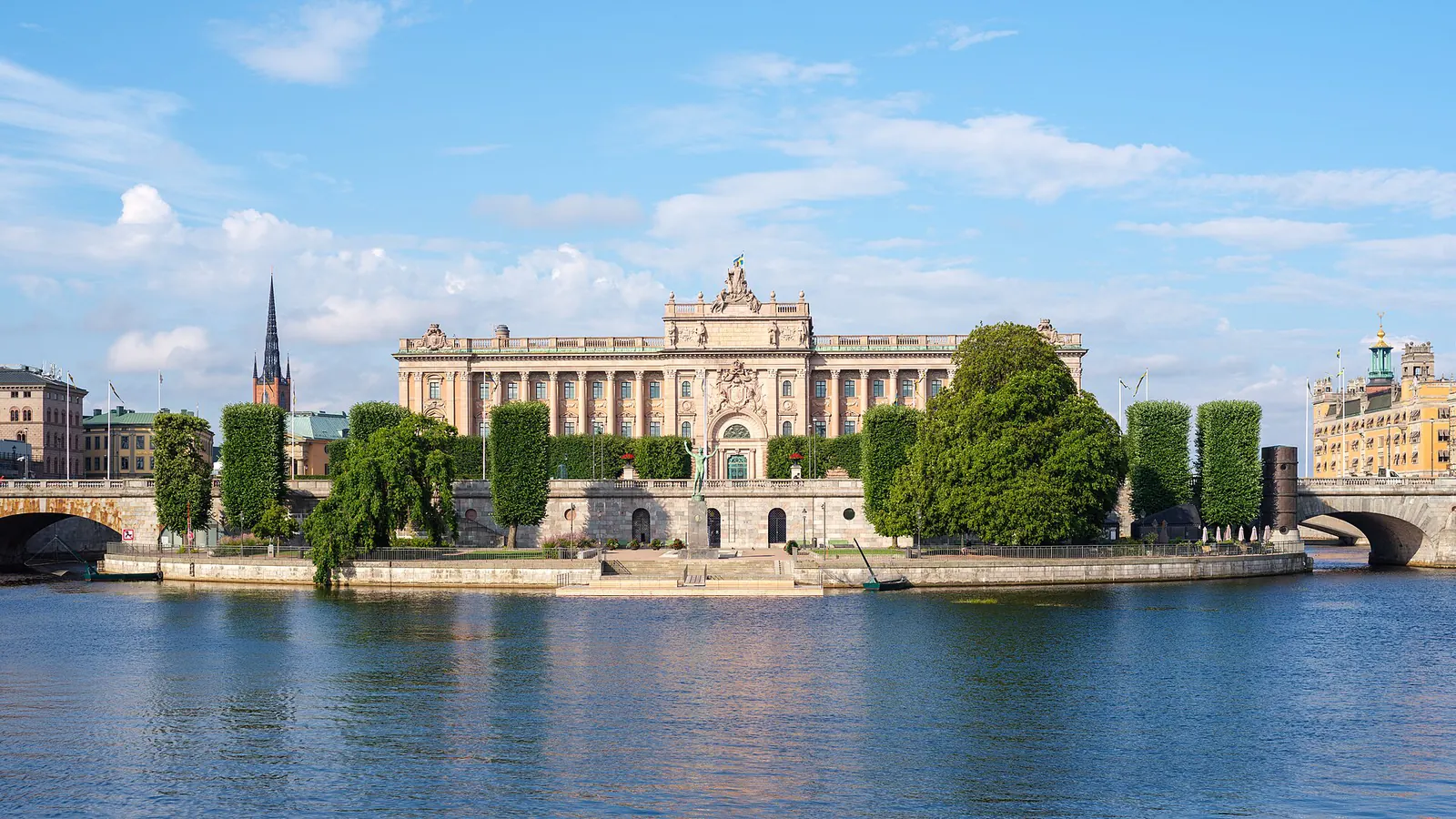
The final results of the general election held in Sweden on 13 September 2026 were confirmed on 17 September. The four left-leaning opposition parties won 176 seats in the 349-seat Riksdag, while the four parties forming or supporting the incumbent centre-right government were left with 173. As Al Jazeera and CP24 reported, in a country of 10.6 million people the gap between the two blocs was only about 50,000 votes, and the advantage was confirmed only after votes cast abroad had been counted. Following the announcement of the results, the centre-right Prime Minister Ulf Kristersson sent a letter to the speaker of parliament requesting to be relieved of office.
By party, according to the compilation of official results on Wikipedia, the picture is as follows: the Social Democrats became the largest party with 28.0% of the vote and 99 seats, but lost 8 seats compared with 2022 and saw their vote share fall to its lowest level since 1911. The Moderates took 70 seats with 19.9%, and the anti-immigration Sweden Democrats 62 seats with 17.5%; the Sweden Democrats fell back from 20.5% in 2022 and lost vote share in a general election for the first time since entering the Riksdag in 2010. Turnout was 84.8%; of 8,051,355 registered voters, 6,829,346 went to the polls. The task of forming a government falls to the Social Democrat leader Magdalena Andersson, but the cabinet dispute within the bloc between the socialist Left Party and the liberal Centre Party has not been resolved. According to Al Jazeera, parliament could vote on a new prime minister on 29 September at the earliest.
Talay assessment
Bottom line
A seat margin of 176 to 173 and a separation of about 50,000 votes make it hard to form a stable majority government in Sweden. The Sweden Democrats falling back for the first time since 2010 shows that the rise of the far right in northern Europe is not automatic. The most likely path is a narrowly based government under Andersson kept standing by outside support.
Likely effects
- Swedish domestic politicsNegativeWeeks
A margin of three seats means individual members of parliament will be decisive in every vote. If the cabinet dispute between the Left Party and the Centre Party is not resolved, government formation could drag on.
- EU and NATO policyUncertain1–6 months
There is broad cross-party consensus on Sweden's defence and NATO commitments; the change of government is not expected to create a break along that axis. On tax and energy files, however, a change of direction is likely.
- Europe's political risk premiumNegative1–6 months
Sweden joining France and the Netherlands in a minority or fragile majority equation increases the number of European countries struggling to pass budgets. That weakens the timetable for fiscal consolidation across the EU.
Possibilities, ranked
- 1Andersson forms a narrowly based government55%
A government centred on the Social Democrats wins a confidence vote with the Left Party's support from outside the cabinet.
Watch: The outcome of the prime ministerial vote parliament could hold on 29 September and the Centre Party's statement.
- 2Government formation drags on30%
Because of the dispute within the bloc, several rounds of prime ministerial votes fail and the country is run by a caretaker government for weeks.
Watch: The first prime ministerial vote being rejected and new rounds being scheduled.
- 3An early election comes onto the agenda15%
Four rounds of voting are inconclusive and the system forces a return to the polls.
Watch: Consecutive failed prime ministerial votes and a statement on an early election from the speaker of parliament.
Probabilities are calibrated judgement based on the sources, not measurement, and are revised as new information arrives. Not investment advice.
Market reaction
Indicators affected
- Opposition bloc seats▲ 176
- Sweden Democrats' vote▼ 17.5%
- Turnout▲ 84.8%