HighI Geo-Economics & Chokepoints8 September 2026, Tuesday
Canada begins imposing counter-tariffs of 15–50% on 27.6 billion dollars of US goods in response to 50% US Section 338 tariffs
Trade talks collapsed on 21 August and the US imposed a 50% tariff on Canadian goods from 22 August. Ottawa responded with counter-tariffs of the same value and announced a 7.5 billion dollar support package.
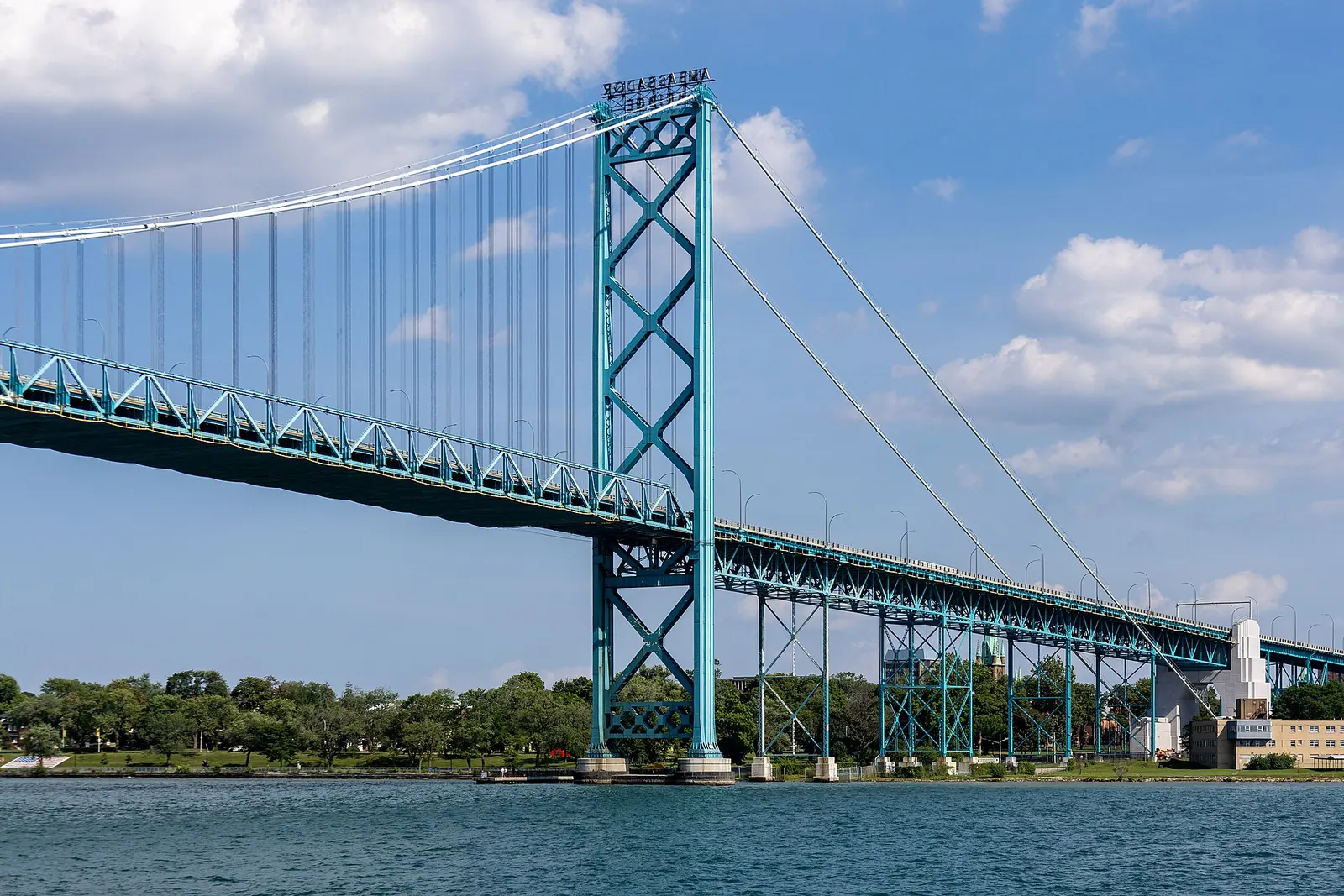
According to an announcement by Canada's Department of Finance, the US has been applying a 50% tariff under Section 338 to 27.6 billion dollars of Canadian goods since 22 August 2026. Canada, in turn, has imposed three-tier counter-tariffs of 15%, 25% and 50% on US imports of the same value, effective 8 September 2026. The list includes steel, aluminium, dairy products including cheese, household appliances, furniture, clothing and agricultural equipment. The government also announced a 7.5 billion dollar support package: 1.5 billion dollars is earmarked for regional SME support, 500 million dollars for BDC liquidity, 2 billion dollars for a diversification fund and 3.5 billion dollars for rapid support for workers and extensions to employment insurance. Ottawa said it had suspended the talks because the US was asking for a great deal while offering little in return.
The move shows that two separate trade tracks in North America have come apart. While USMCA review rounds continue between Mexico and the US, the Canadian track has stalled. According to a US manufacturing-sector brief, Canada has not opened a bilateral formal review negotiation and prefers the trilateral format. In its 2 September decision, the Bank of Canada also listed the new tariffs and countermeasures among the main sources of uncertainty. Cost increases and a search for substitutes can be expected in cross-border supply chains such as steel, dairy and furniture. US Trade Representative Greer is reported to be aiming only for interim arrangements for 2026 rather than a comprehensive agreement.
Talay assessment
Bottom line
Canada's matching counter-tariff shows that the bilateral trade track with the US has turned from problem-solving into mutual attrition. The 7.5 billion dollar support package signals that Ottawa is preparing for a protracted dispute rather than a brief one. The most likely path is a stalemate in which tariffs stay in place for months and Washington seeks only interim arrangements; a comprehensive deal within 2026 is unlikely.
Likely effects
- North American supply chainsNegative1–6 months
Cross-border costs are rising in steel, aluminium, dairy, furniture and household appliances; manufacturers on both sides are looking for substitute suppliers and repricing, with a risk of pass-through to consumer prices.
- Canadian economyNegative1–6 months
Reciprocal tariffs weigh on export and manufacturing volumes while the support package adds to the fiscal burden. The Bank of Canada's listing of tariffs as a key source of uncertainty ties the rate path to trade headlines.
- Türkiye's exportsUncertain1–6 months
Costlier US-origin steel, appliances, furniture and clothing in the Canadian market could open limited room for third-country suppliers, including Turkish producers; given Türkiye's modest footprint in that market, the effect stays small.
Possibilities, ranked
- 1Protracted tariff stalemate65%
Reciprocal tariffs remain in force until year-end and bilateral talks stay suspended; the sides seek only partial relief through sectoral exemptions.
Watch: No new Ottawa–Washington negotiating calendar; the weight given to tariffs in the Bank of Canada's 28 October decision.
- 2Partial retreat via an interim arrangement20%
A limited understanding linked to the USMCA review lowers rates on items such as steel, aluminium or dairy.
Watch: An announcement by USTR Greer of an interim arrangement with Canada, or Canada removing items from its counter-tariff list.
- 3Tit-for-tat escalation15%
The US widens tariff coverage and Canada responds with a second wave of countermeasures; the rupture in cross-border supply chains deepens.
Watch: A new Section 338 list, or an announcement of additional countermeasures by Canada's Department of Finance.
Probabilities are calibrated judgement based on the sources, not measurement, and are revised as new information arrives. Not investment advice.
Sources
- Canada.ca (Department of Finance) — Canada announces targeted countermeasures and substantive support for workers and businesses in response to U.S. tariffs
- Prince Manufacturing — USMCA September 2026 Update: What Manufacturers Need to Know
- Bank of Canada — Bank of Canada maintains the policy rate at 2¼%